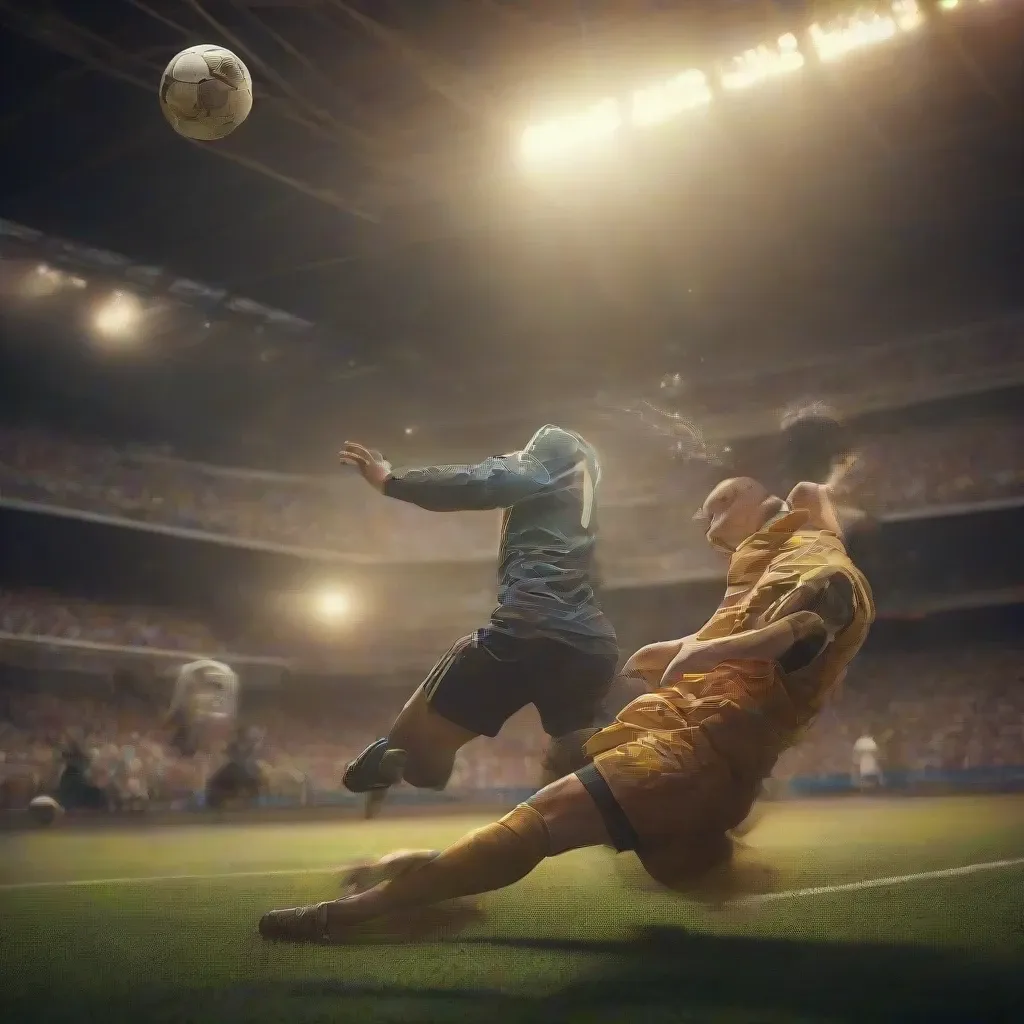
Imagine the stadium hushed, the score tied in a crucial penalty shootout. The player approaches the ball, takes a stutter-step, and instead of blasting it towards the corner, chips it gently down the middle. The goalkeeper dives left, and the ball nestles softly into the net. Pandemonium erupts! This, in essence, is the Panenka penalty. But is it pure genius, a reckless gamble fueled by ego, or a display of calculated gamesmanship designed to unnerve the opposition? This audacious technique, named after Antonín Panenka, who first executed it in the 1976 European Championship final, initially drew gasps of disbelief and accusations of disrespect. Now, Decades after its debut, the Panenka continues to divide opinion and captivate audiences, solidifying its place in footballing folklore as one of the most audacious ways to score a penalty kick. It’s far more than a simple chip; it’s a psychological battle waged from twelve yards out.
What is the Panenka Penalty?
The Panenka, at its core, is a penalty kick taken with audacious flair. It’s not just a chip shot down the middle; it’s a carefully crafted display of deception designed to exploit the goalkeeper’s psychology. The Panenka definition embodies risk and reward in equal measure. Named after its inventor, Antonin Panenka, this penalty technique involves a gentle, lofted shot taken after a run-up that suggests a powerful strike is coming.
Antonin Panenka introduced this unique approach to the world during the 1976 European Championship final. In the penalty shootout against West Germany, with the score tied, Panenka stepped up and calmly chipped the ball down the center of the goal as Sepp Maier, the West German goalkeeper, dove to his left. The crowd erupted in a mix of stunned silence and then bewildered applause. It was a moment of pure audacity that changed penalty-taking forever. The Panenka was born – a testament to innovation and ice-cold nerves under pressure.
Breaking Down the Mechanics
The Panenka technique isn’t simply about randomly chipping the ball; it demands specific mechanics. The initial run-up is crucial. A player needs to approach the ball with the appearance of intent, like a powerful shot is the only option. This is about selling the dummy, convincing the keeper that they need to commit to a direction.
Foot placement is also essential. Instead of striking through the ball as in a regular penalty, the foot makes contact underneath the ball, using the toe or instep to lift it gently. The key is a soft touch; too much power, and the shot becomes a risky punt. Too little, and it might not even reach the goal causing great humiliation for the kicker. During a regular penalty this technique is used to disguise the true intentions of the kicker, to deceive the keeper. During a shootout, the confidence and the nerve are crucial for success.
The Psychology of the Panenka
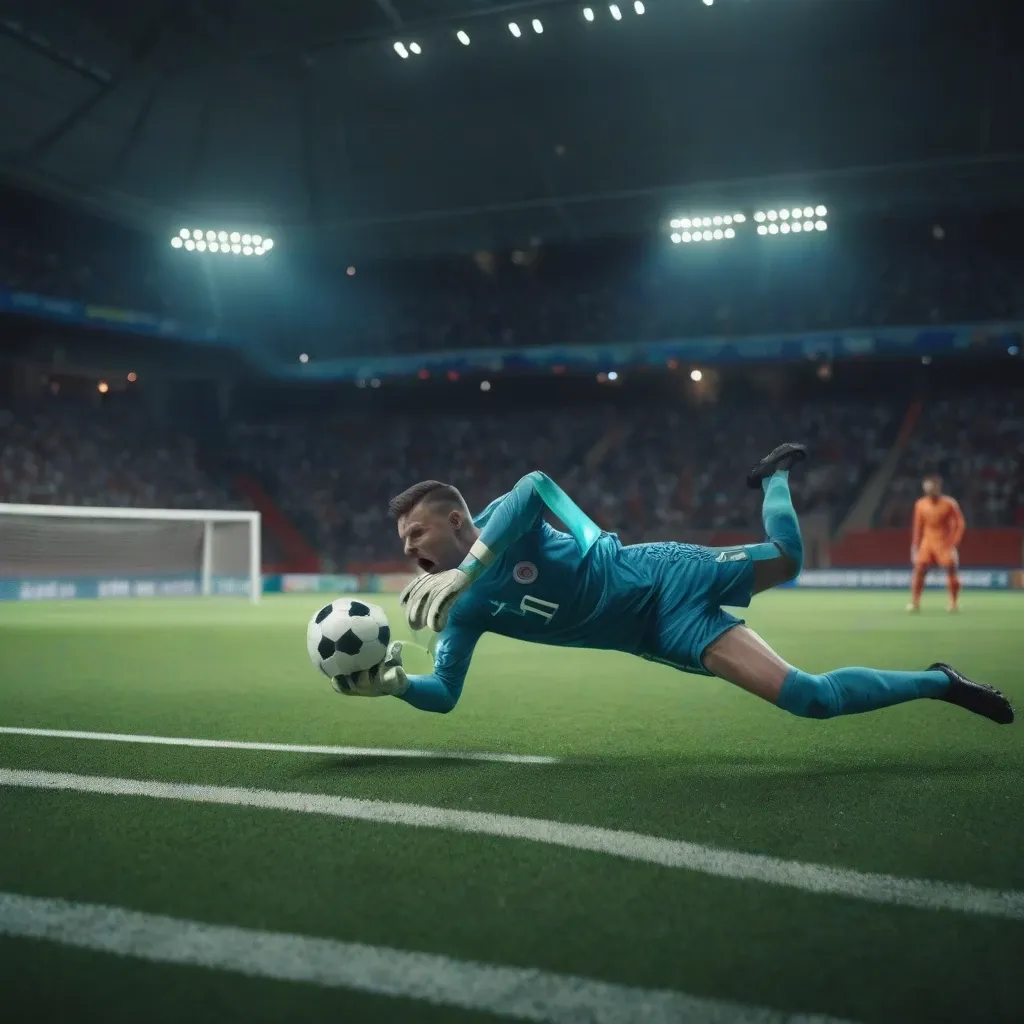
The Panenka penalty kick is more than just a cheeky chip down the middle; it’s a high-stakes psychological duel between the penalty taker and the goalkeeper. It’s a bluff, a test of nerves, and a gamble that preys on the keeper’s ingrained instincts. The core principle of the Panenka’s effectiveness lies in deception. Goalkeepers are trained to anticipate direction, to dive left or right based on the shooter’s approach, stance, and eye movements. The Panenka flips this script, banking on the goalkeeper committing to a dive, thereby leaving the center of the goal wide open.
A successful Panenka isn’t solely about technique; it’s about mastering the mental game. It throws off even the most seasoned goalkeepers because it defies expectation. The audacity of the attempt can instill a sense of doubt and frustration in the opposing team, while simultaneously injecting confidence into the taker and their teammates. Reading the goalie is paramount. Skilled penalty takers analyze the keeper’s body language, studying their tendencies and looking for subtle cues that reveal their likely direction. This information, processed in a split second, informs the decision to go for the Panenka.
Risk vs. Reward: The Mental Toll
The Panenka is a double-edged sword. While the reward is immense – a goal scored with flair and psychological impact – the risks are equally significant. A failed Panenka, one that lacks conviction or is poorly executed, is not only easily saved but can be devastating for the player’s morale and the team’s chances. The pressure is immense. The player must possess incredible mental fortitude to even consider such a high-risk maneuver, especially in a critical game situation.
I remember once, in a local cup final, I was brimming with confidence and decided to try a Panenka. The keeper went left, and the ball gently floated into the net. The feeling was incredible! However, a few years later, during a penalty shootout in a crucial qualifier, I attempted another. This time, nerves got the better of me, and I didn’t fully commit. The keeper barely had to move, and the save cost us the game. The weight of that miss stayed with me for a long time, highlighting the mental toll this audacious technique can demand.
Hall of Fame (and Shame): Memorable Panenka Moments
Examples
The Panenka, a testament to audacity on the penalty spot, has gifted the world both moments of pure brilliance and spectacular failure. Some players etched their names in history with its nonchalant execution, while others found themselves the subject of ridicule. One cannot speak of Panenka without mentioning Antonín Panenka himself, who originated the kick in the 1976 European Championship final, securing Czechoslovakia’s victory. This act of sheer nerve immediately elevated him to legendary status.
However, the Panenka is not without its pitfalls. A poorly executed attempt can leave a player exposed and humiliated. A prime example of this is Sergio Ramos’s attempt against Bayern Munich in the 2012 Champions League semi-final. His kick soared high over the crossbar, becoming an instant meme and highlighting the risk involved in this high-reward, high-risk technique. These contrasting examples serve as a stark reminder that the Panenka, while capable of creating unforgettable moments, demands precision, confidence, and perhaps, a touch of luck.
Perfecting Your Panenka: A Step-by-Step Guide
Steps to score
Mastering the Panenka requires more than just bravado; it demands precision and a cool head. Here’s a detailed tutorial to guide you:
- Stance and Approach: Adopt a normal penalty stance, but slightly closer to the ball. Your run-up should be relaxed and confident, not rushed or hesitant.
- The Decoy: As you approach the ball, focus your eyes on a spot to either the left or right of the goal. This is to mislead the goalkeeper.
- The Contact: Instead of striking through the ball with power, make contact with the bottom-center. Use your laces to gently chip the ball upwards.
- Height and Placement: Aim for a trajectory that’s high enough to clear the diving goalkeeper but low enough to dip under the crossbar. The ball should land in the center of the goal.
- Follow Through: Your follow-through should be minimal to avoid putting too much power on the shot.
When to Panenka (And When NOT To)
Reading the Situation
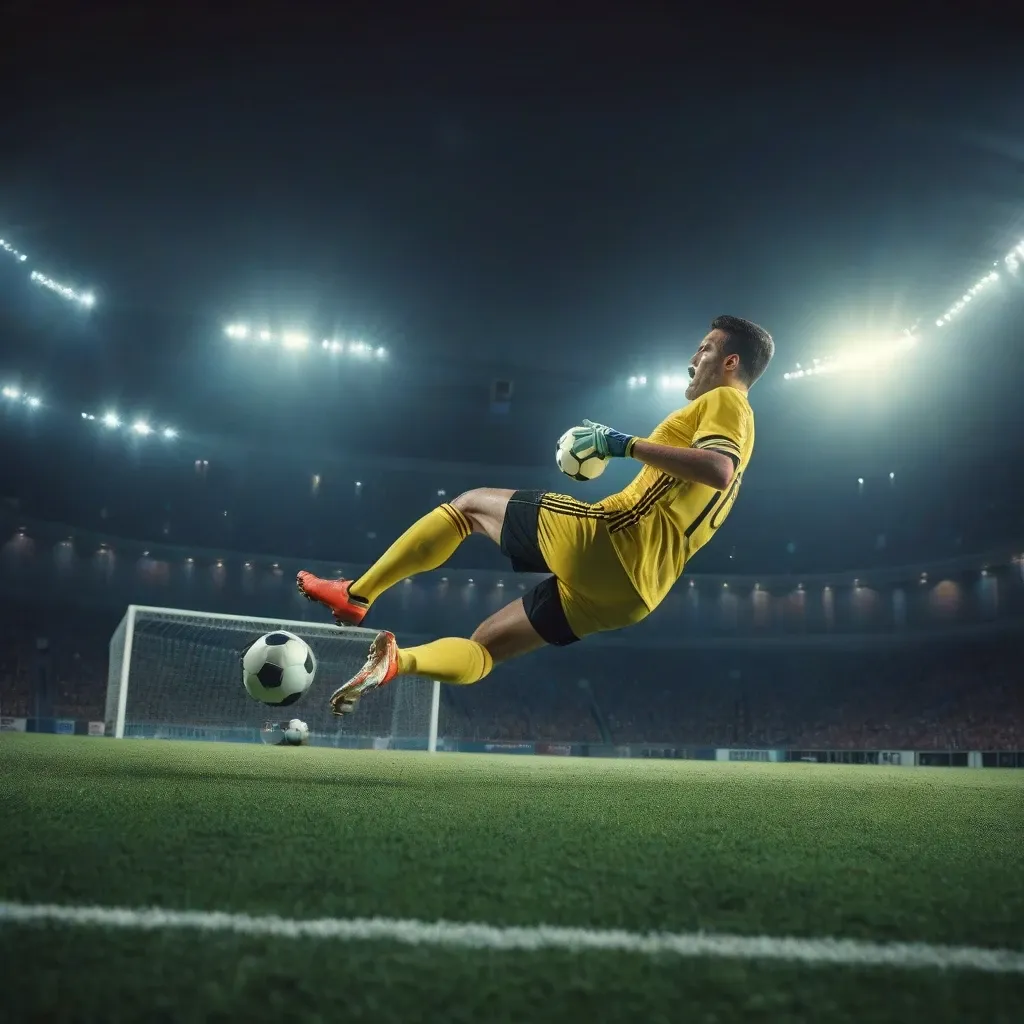
The Panenka is a high-risk, high-reward penalty strategy that demands careful consideration before execution. A crucial element is the acute awareness of the match’s overall context. Executing a Panenka requires a deep dive into game analysis. A vital part of game analysis is assessing risk. Is your team trailing, needing a guaranteed goal to stay in contention? The pressure mounts. Is the game already comfortably in hand, allowing for a bit of flair without jeopardizing the outcome? The tension eases. A rattled goalkeeper might be more susceptible to being outsmarted, while a confident one could see right through the attempt. Do you feel confident and in control, ready to deceive? Or is nervousness creeping in, potentially affecting your execution? All of these factors need to considered.
The stage of the competition is key. A friendly match differs wildly from a World Cup final. The goalkeeper’s tendencies should influence your penalty strategy. Has the ‘keeper been diving early? Be aware of how the crowd is impacting the game. Is it a home game with supportive fans, or an away game filled with taunts and jeers? Such factors will dictate how the game is played.
Training Drills to Boost Your Panenka Confidence
The Panenka penalty kick is as much a mental game as it is a physical skill. To execute it successfully, a player needs unwavering confidence. The following drills are designed to refine the technique, sharpen accuracy, and fortify the mental fortitude required to chip that ball right down the middle.
The Chocolate Bet Drill: Introduce a light-hearted wager to ease the pressure. Before practice, “bet” a chocolate bar on successfully executing a Panenka. This playful approach can loosen up the player and make the initial attempts less daunting. Focus on a smooth, controlled approach, visualizing the ball floating gently over the keeper’s outstretched arms.
Target Practice: Set up targets of varying sizes in the upper-middle section of the goal. Begin with larger targets and gradually decrease the size as accuracy improves. The goal is to consistently hit the target with the Panenka, reinforcing precise ball placement.
Pressure Simulation: Recreate a game-like atmosphere by having teammates stand behind the kicker, simulating the pressure of a real penalty shootout. Introduce elements such as crowd noise (even if it’s just humming) and time constraints to further heighten the tension. Focus on maintaining composure and sticking to your technique, even when under pressure.
With consistent practice and a focus on both technical skill and mental preparation, the Panenka can become a valuable weapon in any player’s arsenal.
Conclusion
In summary, the Panenka penalty is far more than a mere trick shot. It embodies a calculated gamble, a test of nerves, and a display of psychological warfare on the soccer field. Mastering the Panenka requires countless hours of practice to perfect the technique, coupled with the mental fortitude to execute it under immense pressure. Its success hinges on a deep understanding of the goalkeeper’s tendencies and a willingness to defy conventional expectations.
The Panenka is a high-risk, high-reward strategy that continues to captivate and divide opinions within the soccer world. Will we see more players embrace the Panenka in crucial moments, or will goalkeepers evolve to neutralize its effectiveness? Only time will tell if this audacious penalty will remain a part of soccer history.