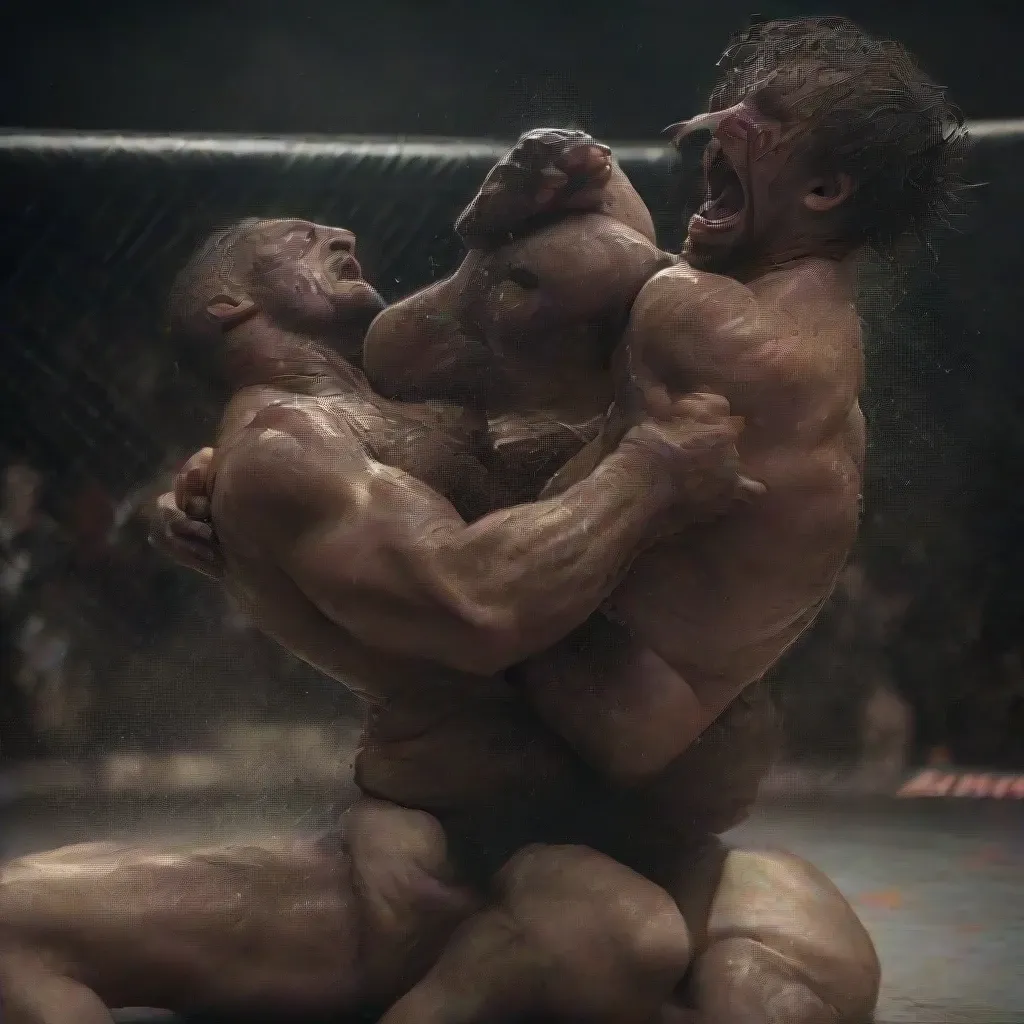
In the electrifying world of the UFC, where every second counts, certain techniques reign supreme. Among them, the Rear-Naked Choke (RNC) stands out as a fight finisher. A staggering number of UFC bouts end due to this submission hold, a testament to its brutal effectiveness.
The RNC, a grappling maneuver that involves encircling the opponent’s neck from behind and applying pressure to the carotid arteries, can lead to a rapid tapout or sudden loss of consciousness. Its efficiency lies in its ability to bypass brute strength, instead, capitalizing on precise technique and leverage. Mastering the RNC, either offensively or defensively, is crucial for any serious MMA practitioner.
Whether you’re an aspiring fighter, a seasoned grappler, or simply a fan eager to deepen your understanding of the sport, this guide will provide you with in-depth knowledge and actionable strategies. Prepare to elevate your grappling game and unlock the secrets behind one of the UFC’s most dominant submissions.
The Anatomy of a Nightmare: Understanding the RNC
The Rear-Naked Choke (RNC) is a fight-ending submission, and it works by cutting off blood flow to the brain, leading to unconsciousness. It’s crucial to understand the mechanics behind it. The RNC involves using the bicep and forearm to compress the carotid arteries on either side of the neck. These arteries are the primary pathways that supply blood to the brain. When compressed, the brain is quickly deprived of oxygen, a condition known as cerebral hypoxia.
Once the carotid arteries are compressed, unconsciousness typically follows within seconds. The speed of this effect is what makes the RNC such a potent submission. This is very different from an air choke, which targets the trachea, restricting airflow to the lungs. The RNC is generally considered safer than an air choke, when applied correctly, because the vascular system needs less pressure than the respiratory system to stop someone losing consciousness.
The feeling of being caught in a blood choke versus an air choke is surprisingly distinct. An air choke creates immediate panic, a desperate need for air. A blood choke has been described as a feeling of warmth and then like the lights going out; by the time the user realizes that they are being choked, there is nothing they can do, and they will have to tap or go to sleep. Recognizing the subtle differences between these chokes is crucial for knowing when to tap and avoid serious injury. Practice and experience are key to developing this awareness.
Blood vs. Air: Understanding the Choke Mechanisms
Blood chokes, like the RNC, focus on restricting blood flow to the brain. The squeeze compresses the carotid arteries, starving the brain of oxygen and resulting in rapid unconsciousness. Alternatively, air chokes obstruct the trachea and restricts airflow to the lungs; the impact on the veins and arteries are amplified for the effectiveness of the squeeze. The sensation of a blood choke is often perceived as a fading, while an air choke is an immediate feeling of suffocation. Therefore, the understanding of what is being applied has to be immediate to avoid injuries.
Position Before Submission: Back Control Mastery
In grappling arts like Brazilian Jiu-Jitsu (BJJ) and Mixed Martial Arts (MMA), back control is often hailed as the most dominant position. Securing and maintaining back control significantly curtails an opponent’s offensive capabilities while amplifying your submission opportunities. A skilled grappler in back control can dictate the pace and direction of the fight, methodically working towards a finish.
The power of back control lies in its inherent imbalance. By controlling the opponent’s back, you limit their range of motion, making it difficult for them to generate power or defend effectively. Meanwhile, you have a clear path to apply a variety of submissions, most notably the rear-naked choke. Having a formidable back control strategy is what separates experts in the game from one another.
Gaining and retaining back control involves a combination of technique, timing, and awareness. Body locks, precise placement of hooks and secure grips are essential elements. A well-executed transition to the back immediately shifts the balance of power. I remember one tournament where I was struggling to pass my opponent’s guard. After multiple failed attempts, I managed to secure a body lock and quickly transitioned to his back. From there, it was only a matter of time before I secured the choke and won the match.
The Importance of Hooks and Grips
Hooks and grips are the foundation of solid back control. Hooks, whether inside or outside, anchor you to your opponent, preventing them from escaping or turning into you. Inside hooks offer superior control of the hips, while outside hooks can be used to disrupt their balance. A strong grip, such as the Gable grip or S-grip, is crucial for securing the neck and setting up submissions.
Mastering hooks and grips need constant adjustments. As your opponent moves, you must constantly adapt your hooks and grips to maintain control. This may involve switching from inside to outside hooks or adjusting your grip to prevent them from breaking free. The ability to proactively respond to your opponent’s movements is a hallmark of back control mastery. Consistent maintenance of grips will ultimately lead to maintenance of control.
Common Mistakes and How to Avoid Them
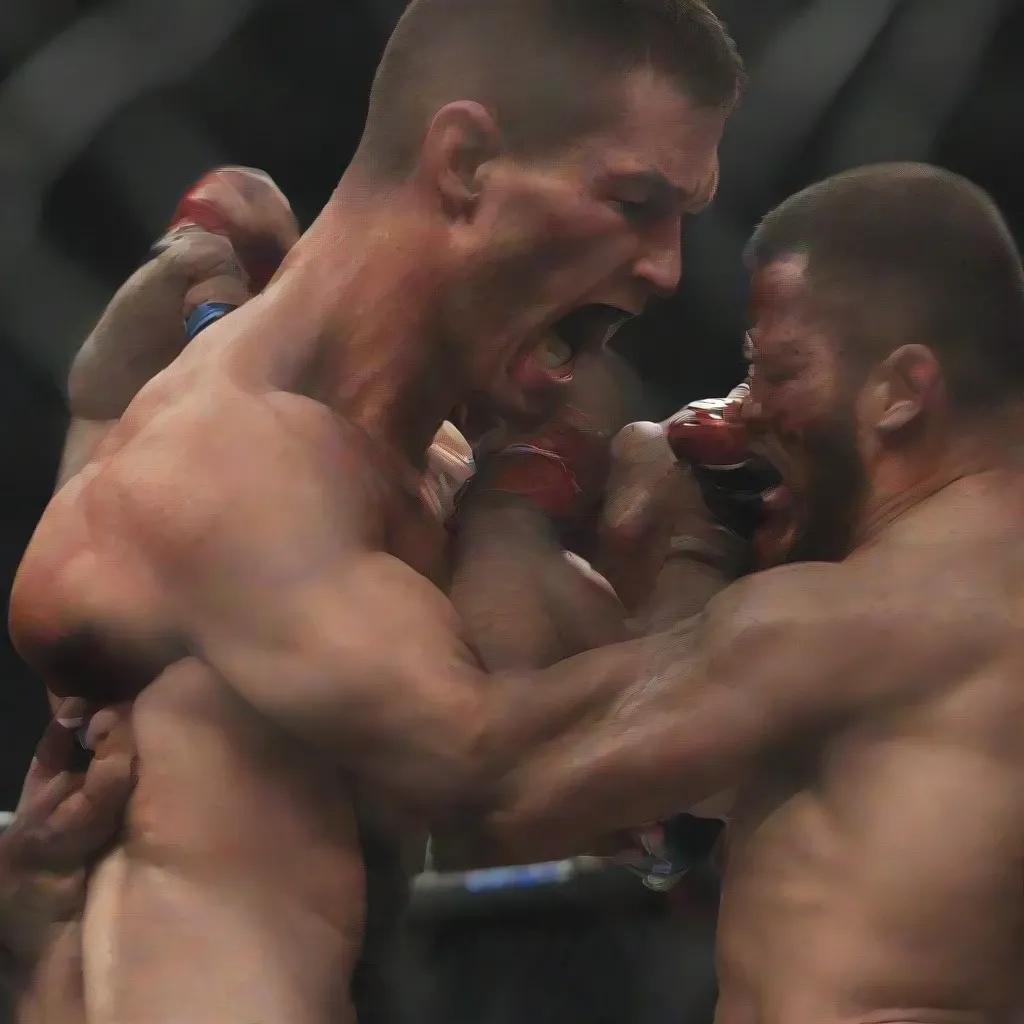
The Rear-Naked Choke (RNC) is a fundamental submission in grappling, but its effectiveness hinges on precise execution. Many practitioners encounter roadblocks, often due to common errors that, once corrected, can significantly improve success rates. Incorrect hand placement is a frequent culprit. Novices often mistakenly apply pressure with their forearm against the trachea, which is both less effective and potentially dangerous. The solution lies in using the bicep to compress the carotid arteries, ensuring a blood choke rather than an airway obstruction. Focus on a tight squeeze with the bicep wrapping snugly around the neck. This simple adjustment alone can drastically increase the choke’s power.
Another prevalent mistake is a lack of body tightness. Leaving space between your body and your opponent’s allows them to posture up, relieving pressure and creating escape opportunities. To counter this, maintain constant contact, gluing your chest to their back and using your legs to secure a tight body triangle or hooks. This suffocating control limits their movement and amplifies the choke’s effectiveness. Telegraphing the choke is also detrimental. When your intentions are obvious, a skilled opponent can anticipate and defend. Employ subtle setups, using strikes or positional changes to distract and create openings. A well-timed RNC appears almost instantaneous, catching the opponent off guard.
Finally, failing to secure the proper angle is a critical error. If your body is misaligned, the opponent can create space and wriggle free. The ideal angle positions you slightly to the side, allowing you to maximize bicep pressure and prevent them from turning into you. Visualize drawing a line from your opponent’s spine; you want to be slightly off that line. Paying attention to these details, and methodically correcting them, paves the way for a dramatically more effective and reliable RNC. Fixing these mistakes enhanced my approach to the choke, resulting in significantly more successful submissions during training and competition.
Troubleshooting
Even with perfect technique, opponents will defend. When they defend the grip, focus on wrist control, peeling their hands away and quickly re-establishing your grip. If they turn into you, use your legs to maintain back control, adjusting your angle and grip as needed. If they try to escape back control, tighten your body lock and anticipate their movements, using their momentum against them to secure the choke. These step-by-step solutions significantly improved my approach to the choke, allowing for adjustments and maintenance of control, ultimately increasing the success of the submission.
Legendary Finishes: Analyzing Iconic RNCs in UFC History
The Rear-Naked Choke (RNC) stands as one of the most potent and decisive submission holds in the Ultimate Fighting Championship (UFC). Its effectiveness lies in its ability to rapidly cut off blood flow to the brain, leading to a swift tap-out or, in some cases, unconsciousness. Throughout UFC history, numerous fights have been etched into memory due to spectacular RNC finishes, showcasing both the technical mastery of the fighters and the brutal efficiency of the hold itself.
One unforgettable example is Urijah Faber’s victory over Ivan Menjivar at UFC 157. Faber, a known submission artist, demonstrated his prowess by securing the RNC after a scramble. The key to Faber’s success was his relentless pressure and his ability to transition swiftly from a dominant position to the choke. He adjusted his grip precisely, ensuring maximum compression on Menjivar’s carotid arteries, forcing the submission.
Another iconic RNC finish belongs to Nate Diaz, during his fight against Kurt Pellegrino at UFC Fight Night 13. Diaz, known for his durability and submission skills, weathered Pellegrino’s early aggression. As the fight wore on, he saw an opening, took Pellegrino’s back, and locked in a textbook RNC. Diaz secured the body triangle to prevent escape, methodically tightened his grip, leaving Pellegrino no choice but to tap. Then he flipped everyone off at the end.
These finishes don’t just highlight the effectiveness of the RNC but also illustrate the strategic depth involved in MMA. Securing the back, maintaining position, and applying the choke with precision are essential elements. The legendary fighters understand these nuances, transforming the RNC from a simple hold into a fight-ending weapon.
Defending the Indefensible: Strategies for Survival
Hand-Fighting and Grip Breaking
Hand-fighting is crucial in grappling because it prevents your opponent from establishing a dominant grip, particularly the one needed for a Rear-Naked Choke. It’s all about denying them the ability to control your body and set up submissions. Effective hand-fighting involves constant movement, using your hands and arms to disrupt their attempts to grab you, and maintaining a strong defensive posture.
Grip breaking is the next step if they manage to get a hold. Techniques like wrist locks and peeling their hands away are essential. Speed and timing are incredibly important. In grappling, being a split second faster can make all the difference. There were times when hand-fighting saved me from precarious positions, allowing me to regain control and turn the tide. Recognizing the initial signs of a grip attempt and reacting instantly is key to staying safe.
The Psychological Game: Fear and Submission
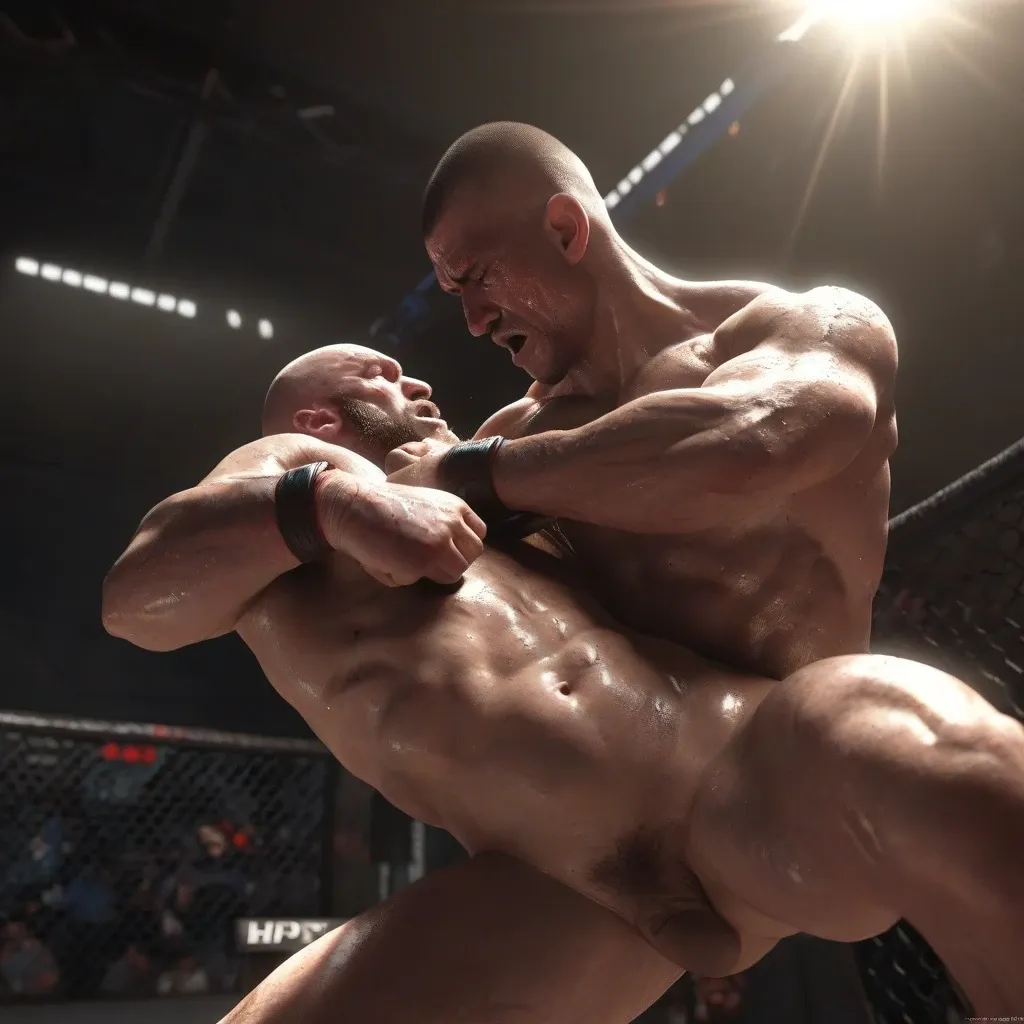
The rear-naked choke (RNC) is not just a physical technique; it’s a psychological battleground. The fear of being caught in an RNC can significantly alter a fighter’s decision-making process, leading to mistakes and ultimately, submission. The mental game surrounding the RNC is a crucial element often overlooked, separating seasoned veterans from those who crumble under pressure.
Experienced fighters understand how to weaponize this fear. By constantly threatening the RNC, they can control their opponent’s movements and dictate the pace of the fight. This psychological dominance can be as effective as the choke itself, forcing the opponent into a defensive shell, opening them up for other attacks. It’s a chess match played with adrenaline and instinct, where the fear of the choke limits options.
Mental fortitude is the ultimate defense against the RNC. Fighters who can remain calm and focused under pressure are less likely to succumb to the fear and can effectively defend the choke or escape to a safer position. Overcoming the mental aspect requires intense training, visualization, and a deep understanding of submission psychology. Some fighters have spoken about visualizing themselves escaping the choke, programming their minds to react efficiently under duress, turning a position of fear into an opportunity for counterattack.
Training to Finish, Training to Survive
The rear-naked choke (RNC) is a powerful submission, but mastering it requires dedicated training that goes beyond just learning the technique. Effective RNC training encompasses drilling, sparring, and strength conditioning, preparing you to both finish the choke and defend against it.
Drilling is crucial for building muscle memory and refining technique. Focus on high-repetition drills with various training partners, each possessing different body types and grappling styles. This ensures adaptability and allows you to fine-tune your RNC application against diverse resistance. Stamina is also important; the ability to maintain pressure and control throughout a prolonged struggle can make the difference between securing the submission and losing position.
Beyond technique, building both physical and mental resilience is key. Sparring helps refine the RNC under pressure, and also allows you to remain calm under duress.
Incorporating RNC Training into Your Regime
Hand-fighting is an important element in both attacking and defending the RNC. Preventing your opponent from establishing a controlling grip is paramount. This involves constant movement, using your hands to disrupt their control, and creating space. Speed and timing are crucial. The instant an opening appears, you must capitalize. Practicing breaking locked grips, such as wrist locks and peeling techniques, are key escapes to allow you to survive.
Conclusion: The Enduring Power of the RNC
The Rear-Naked Choke remains a dominant submission in the UFC and a cornerstone of grappling mastery. Success hinges on perfecting technique, securing optimal positioning, and cultivating unwavering mental fortitude. Mastering the RNC is not merely learning a hold; it’s embracing a strategic advantage crucial for competitive success.