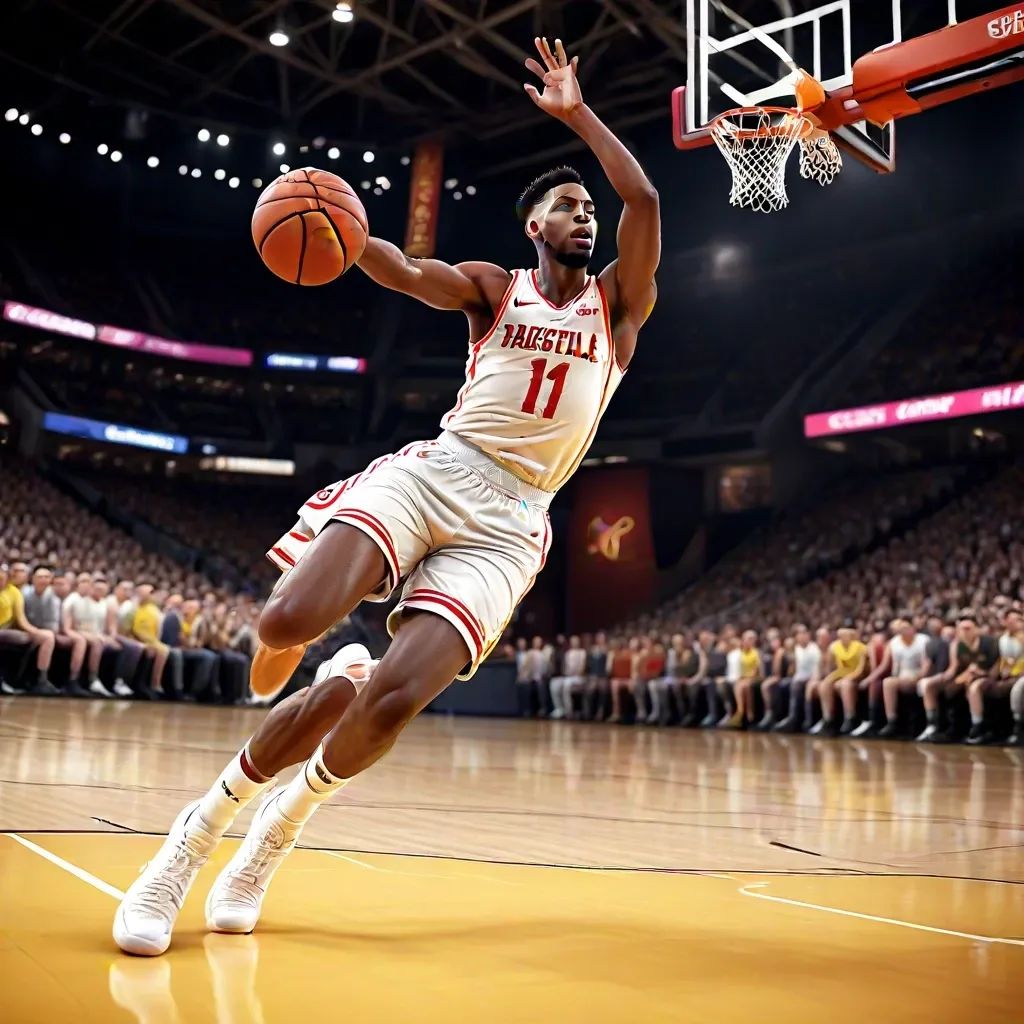
Imagine this: The clock is winding down, the score is tied, and all eyes are glued to the player with the ball. A sudden burst of speed, a deceptive dribble, and then, the magic happens – a lightning-fast step back, creating just enough space to launch a three-pointer. The ball arcs through the air, hitting nothing but net as the buzzer sounds. The crowd erupts. This is the power, the sheer audacity, of the step-back three.
More than just a shot, the step-back three is a statement. It’s a combination of skill, agility, and nerve, turning defensive pressure into offensive opportunity. Players like James Harden, Luka Dončić, and Trae Young have weaponized this move, leaving defenders grasping at air and changing the momentum of entire games. This shot highlights a player skill on using the ball in the offensive.
This article dives deep into the captivating world of the step-back three. We will explore the techinque itself, tracing its evolution, and analyzing the profound impact it has had on basketball. Get ready to understand why this shot has become a staple in today’s NBA, a move that continues to amaze and inspire. Understanding this movement will help to elevate the game to the next level.
The Anatomy of a Perfect Step-Back Three
The step-back three-pointer has become a staple in modern basketball, a weaponized display of offensive prowess. Mastering this shot requires a symphony of skills, a blend of agility, finesse, and precision. To truly understand its power, it’s crucial to deconstruct it, dissecting each movement into its fundamental components: footwork, ball handling, creating space, and the release.
Footwork is the bedrock upon which the step-back is built. It’s not just about moving backward; it’s about doing so with speed, control, and balance. The goal is to create immediate separation while remaining in a shooting-ready position. Practice explosive backward movements with a focus on maintaining a low center of gravity. Quick, decisive steps are key; avoid drifting or telegraphing the move.
Effective ball handling is paramount. The ball must be an extension of the player’s hand, secure and responsive to every shift in direction. Protect the ball during the step-back; a high, tight dribble is essential to prevent steals. The dribble should complement the footwork, working in harmony to maximize the separation gained. Incorporate variations in speed and rhythm to keep the defender guessing.
Generating space is the ultimate objective. It’s an art form involving deception, physicality, and anticipation. Players use various techniques, from subtle push-offs to well-timed shoves (always within the bounds of the rules, of course). The goal is to disrupt the defender’s rhythm and create a window of opportunity. Understanding angles and exploiting weaknesses is key to maximizing separation.
Finally, the release. All the preceding elements culminate in this final act. A smooth, consistent shooting form is crucial for accuracy. The release point should be high, allowing the ball to clear the defender’s outstretched hand. Focus on backspin for a softer touch and improved chances of the ball rattling in. Practice countless repetitions, ingraining the muscle memory needed to execute under pressure.
Footwork Fundamentals
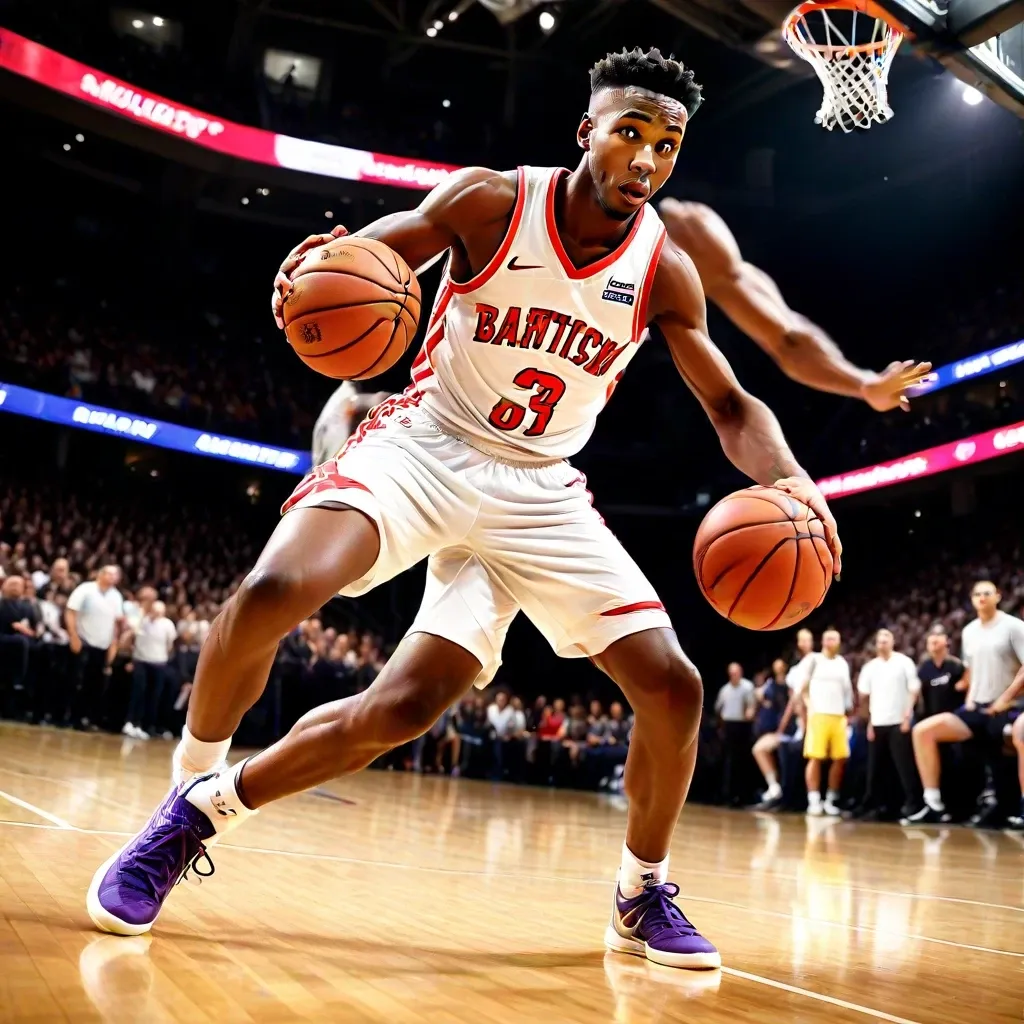
The foundation of a great step-back starts with solid footwork. Many players initiate the move with a gather step, sometimes called a hop step, allowing them to simultaneously gather momentum and prepare to explode backward. A wide base is vital for stability. This grounded stance provides the necessary balance to create power and control the direction of movement. Imagine anchoring oneself to the court, providing a solid platform for the shot.
A simple drill to improve footwork involves practicing rapid backward steps within a confined area. Focus on maintaining balance and landing in a shooting-ready position. Simulate game-like scenarios, incorporating changes in direction and speed. With consistent practice, this drill enhances agility and develops the muscle memory needed for a seamless step-back.
Creating Separation: The Art of Deception
Separation is key when it comes to creating a clear shot and deceiving defenders. A well-timed crossover can be a deadly weapon, forcing the defender to shift their weight and momentarily lose their footing. Similarly, a hesitation dribble can freeze the defender, creating a split-second window of opportunity. These subtle shifts in momentum can disrupt the defender’s rhythm. Use these to your advantage, lulling them into a false sense of security before exploding into the step-back.
Don’t underestimate the power of body fakes. A subtle shoulder fake or a quick head fake can sell the initial drive, convincing the defender that you’re attacking the basket. This misdirection creates space, allowing you to execute the step-back unimpeded. However, be mindful of offensive fouls. Avoid extending the arm or initiating contact that could be deemed illegal. The goal is to create separation through deception not brute force.
Evolution of the Step-Back
Early Innovators of the Game
The step-back wasn’t invented overnight; it evolved. While pinpointing a single originator is impossible, observing players like Larry Bird and Michael Jordan reveals early glimpses of it. Bird, with his craftiness and court awareness, would occasionally create space with a subtle step-back, often to set up a pass or a shot. Jordan, renowned for his fadeaway, also used a step-back to generate separation. Their versions differed from today’s explosive iterations, focusing more on guile and precision than raw athleticism. For instance, an ordinary move from Jordan involving a hard dribble followed by a sudden backward push off his back foot to create space for his iconic fadeaway jumper.
The Analytics Revolution and the Rise of Versatility
The step-back’s proliferation is intertwined with the analytics revolution in basketball. As teams delved deeper into data, the efficiency of the step-back three became undeniable. Statistics like points per possession showcased its value, particularly when executed by skilled shooters. This triggered a league-wide embrace of versatility. Players were no longer confined to traditional roles; big men developed perimeter skills, and guards honed their inside game. The step-back became a crucial tool for creating space, exploiting mismatches, and maximizing offensive output. This embrace of data-driven strategies dramatically reshaped offensive schemes, empowering players to leverage the step-back’s unique advantages.
Legends of the Step-Back: A Comparative Analysis
The step-back jumper, a mesmerizing blend of footwork, ball-handling wizardry, and sheer audacity, has become a staple in the modern NBA. While many have incorporated it into their arsenal, a select few have elevated it to an art form. This analysis delves into the step-back styles of some of the game’s most iconic players, dissecting their strengths, weaknesses, and the nuances that set them apart. We’re talking about the architects of space, the masters of separation – players who leave defenders grasping at air with a perfectly timed retreat.
Consider James Harden, whose step-back is a masterclass in deception and precision. His ability to sell the drive, followed by a lightning-quick gather and release, makes him virtually unguardable in isolation situations. Then there’s Luka Dončić, a maestro of manipulation, who uses his herky-jerky movements and uncanny sense of timing to create space. This breakdown covers it all. We offer our expert opinion on who executes the move most effectively and why.
Style and Effectiveness
James Harden often utilizes the step-back in isolation plays, particularly when the shot clock is winding down, maximizing its effectiveness through his deceptive body language and impeccable timing. Luka Dončić, on the other hand, integrates it seamlessly within the flow of the offense, leveraging it to create open looks for himself and his teammates. Harden’s approach, while highly effective, can sometimes disrupt offensive rhythm, while Dončić’s adaptability allows him to exploit defensive mismatches and keep the offense humming. The team’s offensive system significantly influences the choice of when and how each player employs the step-back, tailoring it to specific game situations and strategic objectives.
The Role of Strength and Agility
James Harden relies on exceptional upper body strength to maintain balance and create separation during his step-back, allowing him to absorb contact and still get off a clean shot. Luka Dončić leverages his agility and crafty footwork to deceive defenders and create space, compensating for a slight lack of explosive athleticism with impeccable technique and spatial awareness. Both players demonstrate that physical attributes, whether it’s brute strength or nimble quickness, are essential in executing the step-back effectively, highlighting that the most successful practitioners tailor their technique to maximize their unique physical gifts.
The Step-Back in Today’s NBA: Trends and Tactics
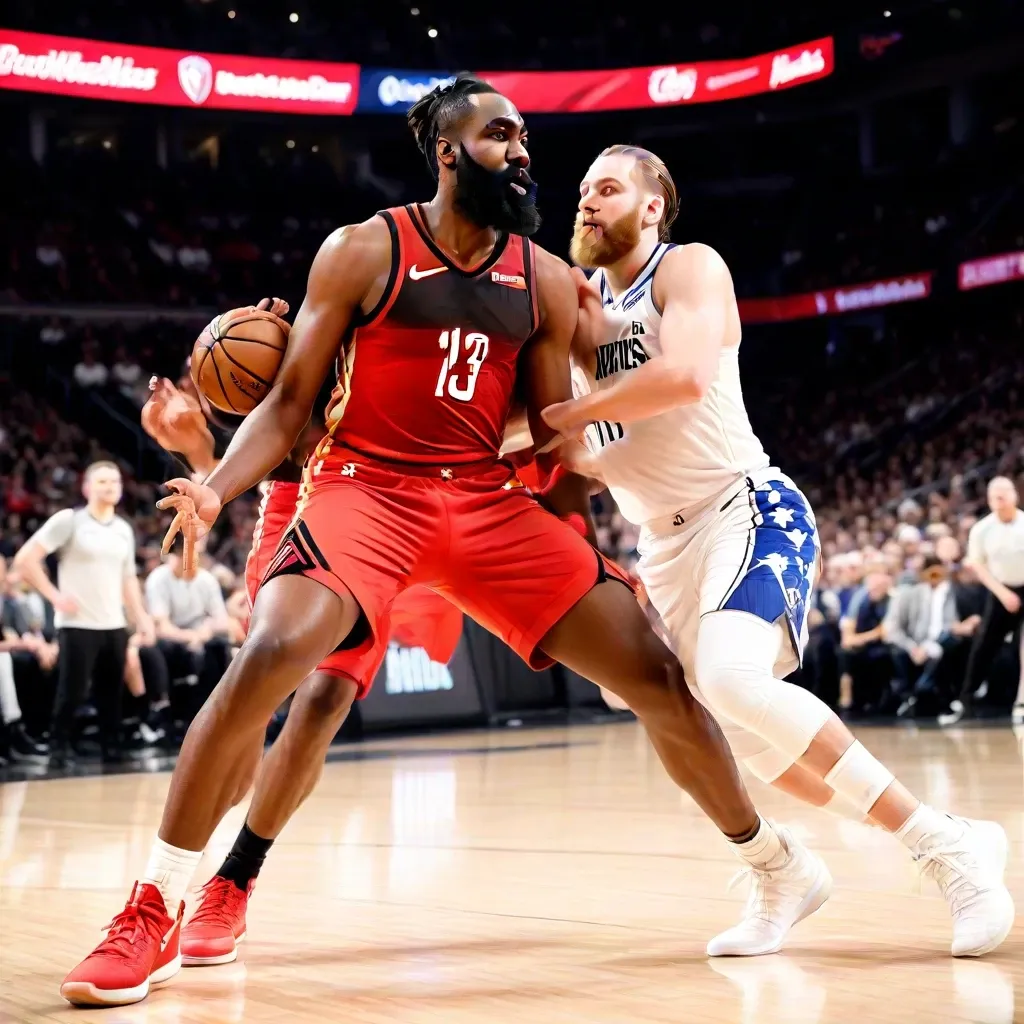
The step-back has become a staple in the modern NBA, evolving from a niche move to a fundamental offensive weapon. Its prevalence is reshaping offensive strategies and forcing defenses to adapt. This maneuver, where a player creates space by stepping backward away from the defender before shooting. Is not merely a highlight-reel play; it’s an integral component of many teams’ playbooks.
One significant trend is the use of the step-back as a counter to pick-and-roll defenses. As teams increasingly switch or trap ball-handlers in pick-and-roll situations, players are utilizing the step-back to create separation and exploit momentary lapses in coverage. By generating space, the ball-handler can get a clean look at the basket or force the defense to scramble, opening up opportunities for teammates.
Another strategic application of the step-back involves creating mismatches. Offenses often target specific defenders, and the step-back can be employed to isolate those players in one-on-one situations. Players adept at the step-back can exploit slower or less agile defenders, leading to high-percentage shots or drives to the basket.
Defensively, the rise of the step-back has necessitated new strategies. Teams are experimenting with different approaches to contain this offensive threat, including showing hard on initial drives, forcing players towards the baseline, and employing longer, more athletic defenders. However, there is one true fact the step-back has indeed reshaped defensive priorities, emphasizing perimeter containment and adaptability.
Mastering Your Own Step-Back: Drills and Tips
Elevating your step-back game demands dedicated practice and a strategic approach. The key lies in honing footwork, refining ball-handling proficiency, and perfecting shooting form. Consistent repetition is crucial, alongside gradually increasing the complexity of drills. With commitment and the right guidance you will master your step-back in no time.
Off-Season Workouts
The off-season is the perfect time to make serious improvements to your step-back. Dedicate workouts to step-back specific skill. Focus on building a strong base and core strength, which are essential for creating explosive separation. Incorporate plyometrics to improve your jumping ability and agility, allowing for quicker and more deceptive movements. Regular practice during the off-season translates to noticeable improvements when the season begins.
Training Repetition
Consistency is the cornerstone of mastering any skill, and the step-back is no exception. Implement structured training repetitions that simulate game-like scenarios. Start with slow, deliberate movements to focus on form and technique. Gradually increase the speed and intensity as you become more comfortable. Regular, focused repetition ingrains the movements into muscle memory, making the step-back a natural and fluid part of your game.
Conclusion
In summary, the step-back three has transformed from a novelty move into a fundamental offensive weapon in basketball. From its early innovators to today’s masters, the evolution of this skill reflects the changing strategies and athleticism of the game. Remember, mastering the step-back involves more than just the physical technique; it requires understanding spacing, timing, and reading the defense.
Comparing players like James Harden and Luka Dončić highlights different approaches to the same deadly shot, proving that adaptability is key. Whether you’re aiming to create separation, improve your scoring versatility, or simply add flair to your game, the step-back three is a skill worth pursuing. Its impact on the court is undeniable, and its importance will only continue to grow as basketball evolves. Embrace the challenge, refine your technique, and unlock a new dimension in your offensive arsenal. The step-back three isn’t just a shot; it’s a statement.