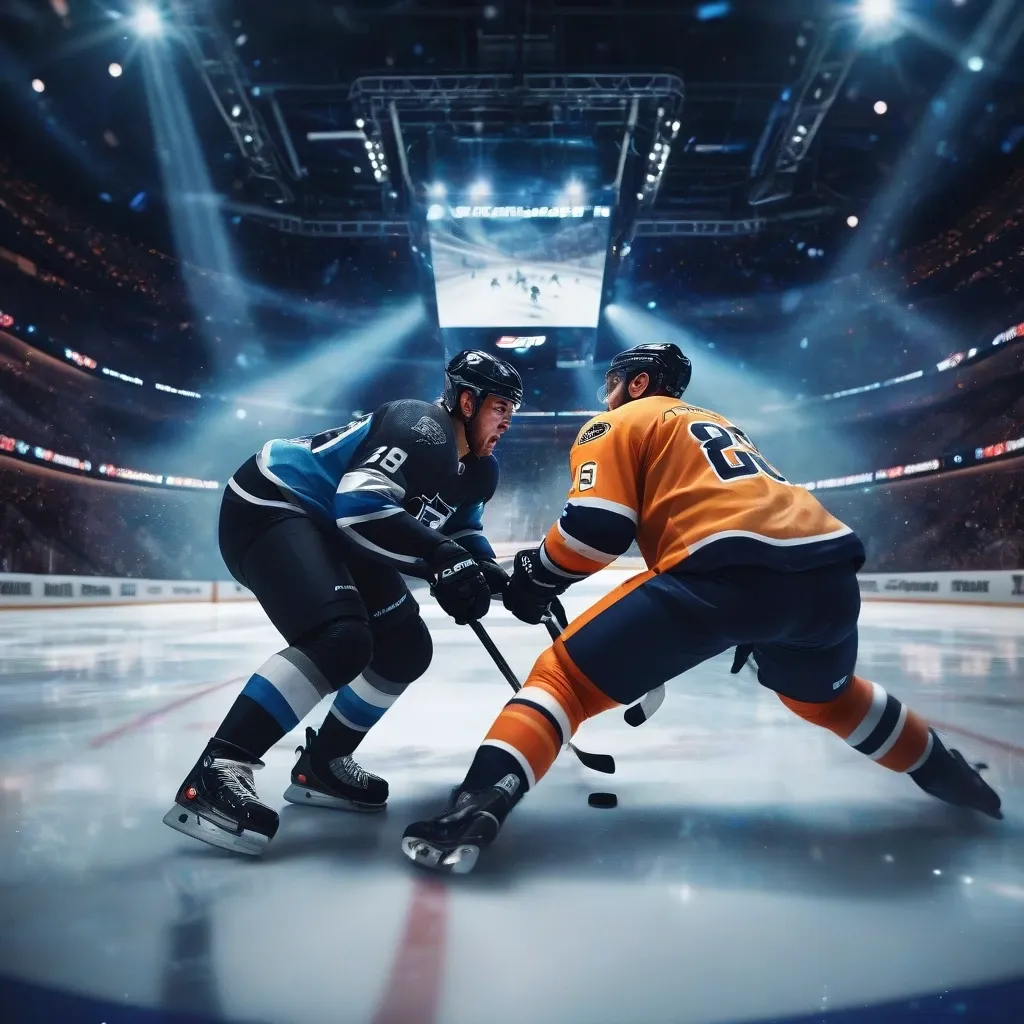
The roar of the crowd fades, the clock ticks down, and the tension in the arena becomes palpable. It’s NHL overtime, a sudden-death scenario where legends are made and hearts are broken in the blink of an eye. Imagine the puck crossing the line, silencing a whole stadium in one swift motion. That’s the dramatic reality of NHL overtime, a period where every stride, pass, and shot carries monumental weight.
This isn’t just hockey; it’s a psychological battle fought on ice, blending tactical decisions with raw, unfiltered emotion. We’ll explore the strategies coaches employ, the mental fortitude players must possess, and revisit some of the most unforgettable game-winning goals that have etched themselves into NHL lore. Get ready to delve into the thrilling world of NHL overtime, where skill, pressure, and a touch of luck collide to create pure hockey magic.
The Anatomy of an Overtime Thriller
Overtime in hockey is a spectacle, a sudden-death sprint where legends are made and hearts are broken. It’s a high-stakes drama condensed into a frenetic burst of action, utterly different from the rhythms of regulation play. The tension is palpable, a thick atmosphere of anticipation hanging over the ice. Every stride, every pass, every shot carries the weight of the game, the series, perhaps even a season. The shift from structured play to a more urgent, almost desperate style of hockey is what captivates fans. The game’s speed intensifies, with players pushing their limits, fueled by adrenaline and the burning desire to avoid defeat.
Tactical approaches shift, becoming more aggressive, more daring. Coaches often unleash their most skilled players, trusting them to create magic in those crucial moments. Teams might transition into a 3-on-3 alignment, opening the ice and emphasizing speed and agility. It becomes a chess match played at lightning speed, where one mistake can spell disaster and one moment of brilliance can etch a player’s name into hockey lore. The increased open ice forces players to make immediate decisions, and that is what creates such a fascinating environment for a team.
Puck Possession
In overtime, owning the puck is akin to owning the keys to victory. It’s about more than just keeping the other team from scoring; it’s about dictating the pace and controlling the flow. Zone holding, cycling the puck deep in the offensive zone, and wearing down opponents become paramount. Sustained offensive pressure not only creates scoring opportunities but also minimizes the risk of a costly turnover that could lead to a breakaway goal. The team that controls the puck controls its destiny, forcing the opposition to react and chase, draining their energy. Territory benefits become amplified, increasing a team’s chances of creating a scoring chance.
Iconic Overtime Moments: Reliving the Glory
The sudden-death drama of NHL overtime has etched some of the most unforgettable moments into hockey lore. These are the instances where legends are made, and the tension is so thick you could cut it with a skate blade. Overtime isn’t just extra time; it’s a crucible where skill, will, and sheer luck collide, shaping legacies and breaking hearts in equal measure. From soaring Stanley Cup victories to pivotal series-clinching goals, the NHL overtime archives are filled with games that continue to resonate with fans worldwide.
Consider, for instance, the electrifying moment when Arron Asham scored past Carey Price, sending shockwaves through the Bell Centre. Or when Marian Gaborik, with a deft touch, secured a critical win against the Bruins, showcasing his offensive prowess. These goals aren’t mere statistics; they’re stories of resilience, determination, and seizing the moment when everything is on the line. And who could forget the recent heroics of Mats Zuccarello, Cole Caufield, and Jack Eichel, who added their names to the overtime annals in January 2026, reminding us that history is constantly being written on the ice?
These are not just random wins; they represent pivotal shifts in momentum, the crushing of opponents’ hopes, and the cementing of a team’s journey toward greatness. They are the reason fans hold their breath, coaches pace nervously, and players leave every ounce of energy on the ice. Overtime is where the regular season melts away. Only the relentless pursuit of victory remains, forever imprinting these iconic moments in the collective memory of hockey fans.
Game-Winning Goals
Game-winning goals in overtime are often scored by players who possess a unique blend of skill, composure, and a knack for being in the right place at the right time. They are the heroes who rise to the occasion, the clutch players who thrive under pressure. Some are seasoned veterans, lending their experience and calm demeanor to guide their team to victory. Others are young guns, eager to prove themselves and etch their names into the history books, as seen by Cole Caufield. No matter their background, these players all share one thing: an unyielding determination to win.
Take Jack Eichel as an example. Known for his incredible speed and shot, or Mats Zuccarello for his ability to read the play or Arron Asham and Marian Gaborik. These are the kinds of players who can single-handedly alter the course of a game with a moment of brilliance. They are the ones who embrace the pressure, who relish the opportunity to make a difference, and who ultimately deliver the unforgettable moments that define NHL overtime.
Regular Season vs. Playoffs: A Tale of Two Overtimes
The thrill of hockey intensifies when the clock hits zero and the score remains tied. But the journey through overtime in the NHL splits into two distinct paths: the regular season and the playoffs. Understanding these differences is crucial for appreciating the strategic nuances and nail-biting finishes that define each phase. The NHL overtime format morphs from a strategic sprint in the regular season to an all-out endurance test in the playoffs.
During the regular season, if a game remains tied after three periods, teams engage in a five-minute, 3-on-3 overtime. This format, introduced to reduce ties and showcase offensive skills, opens up the ice, leading to more breakaways, odd-man rushes, and highlight-reel goals. If the game is still tied after the 3-on-3 overtime, a shootout ensues. Each team selects three shooters who take penalty shots to determine the winner.
The playoffs ditch the 3-on-3 and the shootout. Instead, playoff overtime is a relentless 5-on-5 battle that continues for 20-minute periods until someone scores. This sudden-death format demands unparalleled stamina, strategic depth, and mental fortitude. The shift from the regular season’s emphasis on speed and skill to the playoffs’ focus on endurance and attrition is a stark contrast.
Endurance
In the playoffs, with its long, grueling overtime periods, physical endurance becomes paramount. Players are pushed to their absolute limits, skating hard for extended shifts, battling for every inch of ice. Mental toughness is equally crucial. The ability to remain focused and composed, even when fatigue sets in, can be the difference between victory and defeat. Coaches adjust strategies, carefully managing player rotations to keep their team fresh while maintaining a competitive edge. The longer the game goes, the more it becomes a war of attrition, testing the depth and resilience of each team.
The roar of the crowd, the weight of the moment, and the sheer exhaustion create a unique and unforgettable experience. It’s a battle of wills as much as a display of skill, a true test of what these athletes are capable of enduring.
NHL records
The Stanley Cup Finals have etched some incredible memories into NHL history. Consider the Winnipeg Jets’ miraculous comeback against the St. Louis Blues, tying the game with a furious rally and then clinching the win at 16:10 of the second overtime. Or the Florida Panthers’ epic Game 1 victory over the Carolina Hurricanes, a game that stretched nearly four full overtime periods before Matthew Tkachuk scored the winner with just 12.7 seconds left in the fourth OT. These moments encapsulate the raw emotion and unpredictable nature of playoff hockey, showcasing players’ ability to rise to the occasion under immense pressure.
The Psychology of Overtime: Pressure, Nerves, and Execution
Overtime in hockey isn’t just about physical endurance; it’s a high-stakes mental game where pressure intensifies and nerves can dictate the outcome. The sudden-death nature of overtime amplifies every decision, every stride, and every shot. Players who thrive aren’t simply the most skilled; they’re the ones who can master their minds under immense duress.
Mental toughness becomes the defining factor. This involves a constellation of attributes: resilience, discipline, and an unwavering belief in one’s abilities. Players must maintain focus and concentration, shutting out distractions and the weight of the moment. The ability to regulate emotions – to acknowledge the pressure without succumbing to it – is paramount.
Various mental strategies are employed to navigate this intense environment. Visualization, where players mentally rehearse successful plays, can boost confidence and prime the mind for optimal performance. Mindfulness techniques, such as deep breathing exercises, help to calm the nervous system and regain composure when adrenaline surges. Reframing negative thoughts into positive affirmations can also be a game-changer, allowing players to approach the situation with a clear and optimistic mindset.
Ice Hockey in Harlem, for example, recognizes the importance of mental conditioning. Their program integrates mental skills training, teaching student-athletes techniques to manage pressure, build resilience, and maintain focus during critical moments. By fostering mental toughness alongside physical prowess, they equip their players with a comprehensive skill set for success, both on and off the ice.
Coaching Strategies in Overtime: Maximizing Your Chances
Overtime in hockey is a high-stakes chess match, where every coaching decision is magnified. It’s a period demanding quick thinking, calculated risks, and an acute understanding of player strengths and weaknesses. Coaches walk a tightrope, balancing the need for a decisive goal with the imperative to avoid a costly turnover.
Line Changes: A Delicate Dance
One of the most critical decisions a coach makes is determining line combinations. During overtime, coaches often lean on their most skilled and experienced players. However, fatigue becomes a major factor. Smart coaches will make shorter shifts, ensuring that their top players have enough energy to make impactful plays. The goal isn’t just to put your best players on the ice, but to put your best players on the ice at the right moments.
Matchups: Exploiting Weaknesses
Finding favorable matchups is another crucial element. Coaches analyze the opposing team’s fatigue levels and defensive pairings, seeking to exploit any perceived weaknesses. This may involve putting a speedy forward line against a slower defensive pairing, or deploying a defensively responsible line against the opponent’s top offensive threats.
Offensive and Defensive Strategies: Risk vs. Reward
Overtime strategy is a delicate blend of offensive aggression and defensive responsibility. Going for a quick goal is tempting, but a risky play that leads to a turnover can be fatal. Glen Gulutzan, a former NHL coach, famously described overtime as a “squished can” – referring to the limited space and time available, and the need to be opportunistic but cautious. Some coaches prefer a more conservative approach, focusing on puck possession and minimizing mistakes, while others opt for a more aggressive forecheck, hoping to create scoring chances through turnovers. The optimal strategy often depends on the team’s strengths, the opponent’s weaknesses, and the specific game situation.
The Future of Overtime: What’s Next for Extra Time?
The evolution of hockey is relentless, and overtime is no exception. Rule changes and strategic adaptations are constant, shaping how games are decided in extra time. Speculation abounds regarding potential future NHL rule changes aimed at further reducing the frequency of shootouts. One area ripe for innovation is overtime format. Could we see experiments with 4-on-4 play, power-play overtime scenarios triggered by penalties in regulation, or even a timed period of continuous play followed by a shootout if no goal is scored?
Beyond rule tweaks, the influence of analytics will likely intensify. Coaches will increasingly rely on data to inform player deployment, line matchups, and strategic decisions during the high-pressure environment of overtime. Identifying fatigue patterns, pinpointing optimal shooting locations, and predicting opponent tendencies will become even more crucial. Emerging trends in overtime play might include a greater emphasis on puck possession, more aggressive forechecking, and specialized overtime units designed for specific situations. The future of overtime is a dynamic landscape, where innovation and adaptation are the keys to success.
Conclusion
NHL overtime continues to deliver a potent mix of thrills and strategic gameplay that captivates hockey fans. The sudden-death format, paired with the open ice of three-on-three, creates a recipe for exciting, high-stakes moments. The discussed strategic shifts and the heightened individual performances showcase the intensity that sets NHL overtime apart.
From the iconic goals to nail-biting saves, these moments solidify the enduring appeal of NHL overtime. It remains a stage where legends are made and unforgettable stories are written, leaving everyone eagerly waiting for the next electrifying chapter to unfold on the ice.